UK Gambling Commission Levies £150,000 Penalty on Holland Park Leisure for Self-Exclusion Scheme Breach
Written by Logan Weber · Aug 25, 2026

UK Gambling Commission Levies £150,000 Penalty on Holland Park Leisure for Self-Exclusion Scheme Breach
The UK Gambling Commission has imposed a £150,000 fine on Holland Park Leisure Limited, the operator of three adult gaming centres located in Leicester, after the company failed to participate in a mandatory multi-operator self-exclusion scheme and supplied misleading information to the regulator despite earlier warnings. This enforcement action forms part of the commission's continued focus on licence conditions that require land-based gambling venues to maintain consumer protection standards, and it occurs amid wider industry tax and regulatory developments throughout 2026.
Details of the Regulatory Violation
Holland Park Leisure Limited operates adult gaming centres that fall under the commission's licensing framework, which includes obligations set out in the Social Responsibility Code Provision 3.5.6. The provision requires operators to join a multi-operator self-exclusion scheme so that individuals who have chosen to exclude themselves from gambling can do so across multiple venues without needing to register at each location separately. According to the commission's findings, Holland Park Leisure Limited did not complete the required registration in the scheme and, when questioned, provided information that did not accurately reflect the company's compliance status. The regulator had already issued prior warnings before reaching the decision to apply the financial penalty.
Enforcement records show that the commission treats participation in the self-exclusion scheme as a core requirement rather than an optional measure. The scheme allows people who wish to limit their gambling activity to register once and have that exclusion recognised by all participating operators, thereby reducing the risk of individuals circumventing their own restrictions. Failure to join the scheme means the operator cannot verify whether excluded individuals are attempting to enter its premises, which directly affects the effectiveness of the consumer protection tool.
Context of the Enforcement Action
The commission's decision to fine Holland Park Leisure Limited aligns with its pattern of reviewing compliance at land-based venues that hold operating licences. In 2026 the regulator continues to examine how operators meet licence conditions while the industry faces additional pressures from proposed tax changes and updated regulatory expectations. The £150,000 penalty reflects both the failure to join the scheme and the subsequent provision of misleading information, two separate breaches that the commission addressed in a single enforcement outcome.
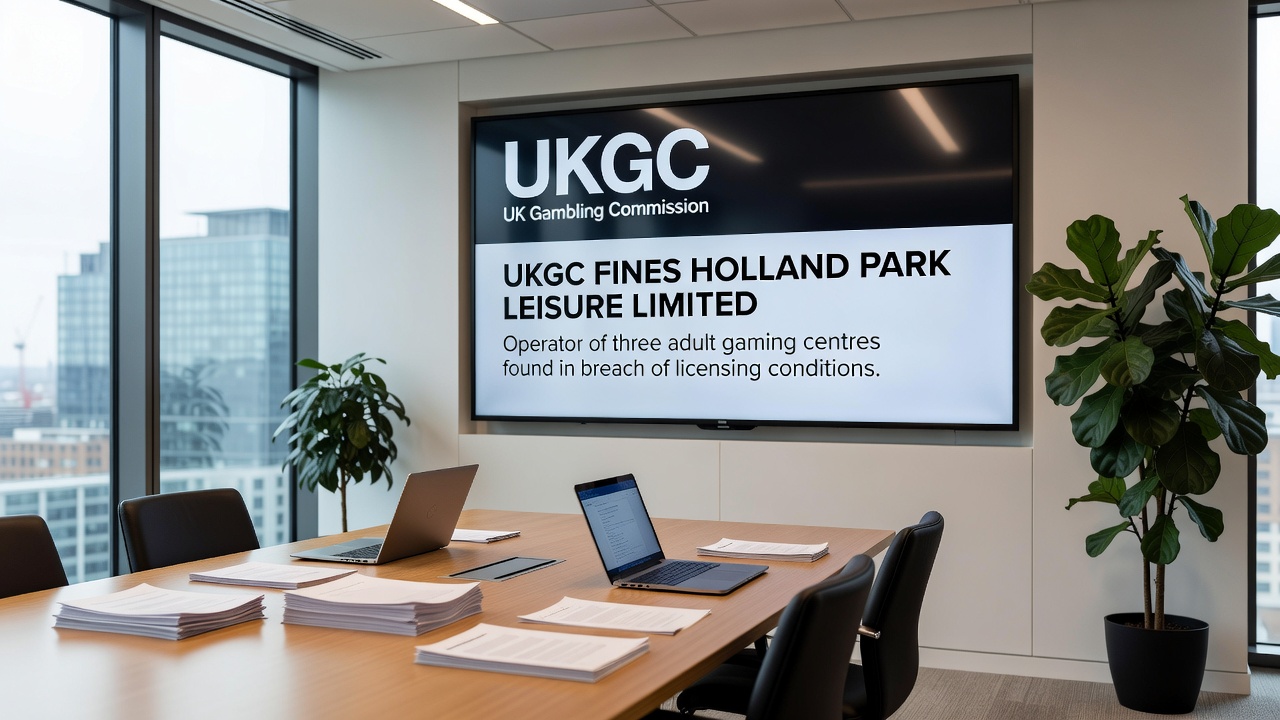
Those who have examined the case note that the commission first contacted the operator with concerns and later determined that the responses received did not present an accurate picture of the company's actions. The regulator documented the sequence of communications, which included reminders about the mandatory nature of the self-exclusion scheme. After establishing that registration had not occurred, the commission proceeded to the penalty stage. The outcome demonstrates how the regulator applies existing code provisions when operators do not meet the standards expected of licensed entities.
Requirements Under the Self-Exclusion Scheme
The multi-operator self-exclusion scheme operates as a central register that participating venues must access before allowing entry to customers. Operators are expected to integrate the scheme into their day-to-day procedures so that staff can check whether a person has an active exclusion in place. Holland Park Leisure Limited's omission meant the three Leicester centres lacked this verification step, leaving a gap in the protection framework that the commission requires all licence holders to maintain. The commission has emphasised that membership in the scheme is not discretionary and must be completed within specified time frames after an operator receives its licence or after any changes to the scheme's administration.
Records from the enforcement process indicate that the operator's misleading statements came after the commission had already flagged the missing registration. Providing inaccurate information in response to regulatory queries constitutes a distinct breach, separate from the initial failure to join the scheme. The commission treats such responses seriously because they affect the regulator's ability to monitor compliance across the licensed sector.
Broader Regulatory Environment in 2026
During 2026 the commission has maintained its programme of compliance checks at land-based gambling premises while the government considers adjustments to gambling taxation and licensing fees. The fine issued to Holland Park Leisure Limited sits within this environment of heightened scrutiny, where operators must demonstrate adherence to both existing social responsibility rules and any new requirements that emerge from policy reviews. The commission publishes summaries of its enforcement decisions so that other licence holders can understand the standards applied in individual cases.
Operators across the United Kingdom continue to receive guidance on how to integrate self-exclusion tools into their operations. The commission has stated that membership in the multi-operator scheme forms one component of a wider set of measures designed to support individuals who wish to control their gambling behaviour. Venues that do not complete the necessary registration risk enforcement action, including financial penalties scaled according to the seriousness and duration of the breach.
Conclusion
The £150,000 fine imposed on Holland Park Leisure Limited illustrates the commission's approach to enforcing licence conditions that protect consumers at land-based gambling venues. The case centres on the operator's failure to join the mandatory self-exclusion scheme and the provision of misleading information after prior warnings had been issued. As regulatory oversight continues through 2026, the commission's handling of this matter provides a clear record of the expectations placed on operators and the consequences that follow when those expectations are not met. Further details on the enforcement action appear in materials referenced on the Gambling Commission’s website.