Tracing Connections Between Zero-Stake Rewards and Sustained Activity Levels in App-Driven Wagering Ecosystems
Written by Dana Russell · Sep 7, 2026
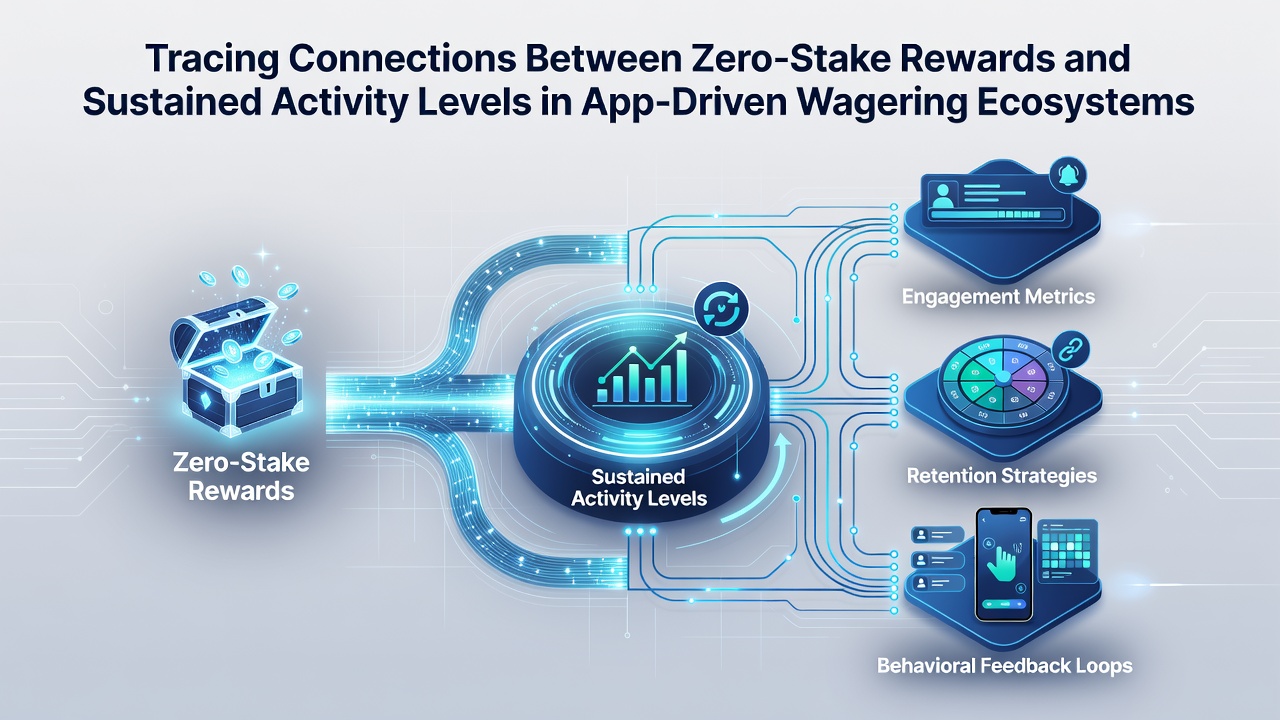
Tracing Connections Between Zero-Stake Rewards and Sustained Activity Levels in App-Driven Wagering Ecosystems
Zero-stake rewards function as entry points in mobile wagering applications where participants access betting opportunities without committing personal funds upfront, and these mechanisms connect directly to patterns of repeated engagement across user bases. Data compiled from platform analytics shows that such incentives correlate with extended session times while operators track retention through login frequencies and in-app interactions. Researchers have documented how these rewards integrate into broader ecosystems driven by smartphone interfaces that deliver real-time notifications and personalized offers.
Mechanics of Zero-Stake Rewards Within Mobile Platforms
Platforms issue zero-stake rewards through free spins, matched credits or risk-free bets that appear after initial downloads or account verifications, and users activate them via simple taps that initiate play sequences without balance deductions. These structures differ from deposit-matched bonuses because they require no prior transaction yet still feed into loyalty tracking systems that record every completed round. Studies from the Australian Gambling Research Centre indicate that reward redemption rates climb when notifications arrive during peak evening hours, prompting users to extend their time on the application. Activity logs further reveal that participants who claim these rewards early in their tenure demonstrate higher return visit counts over subsequent weeks compared with those who bypass the offers entirely.
Patterns of Sustained Engagement in App Ecosystems
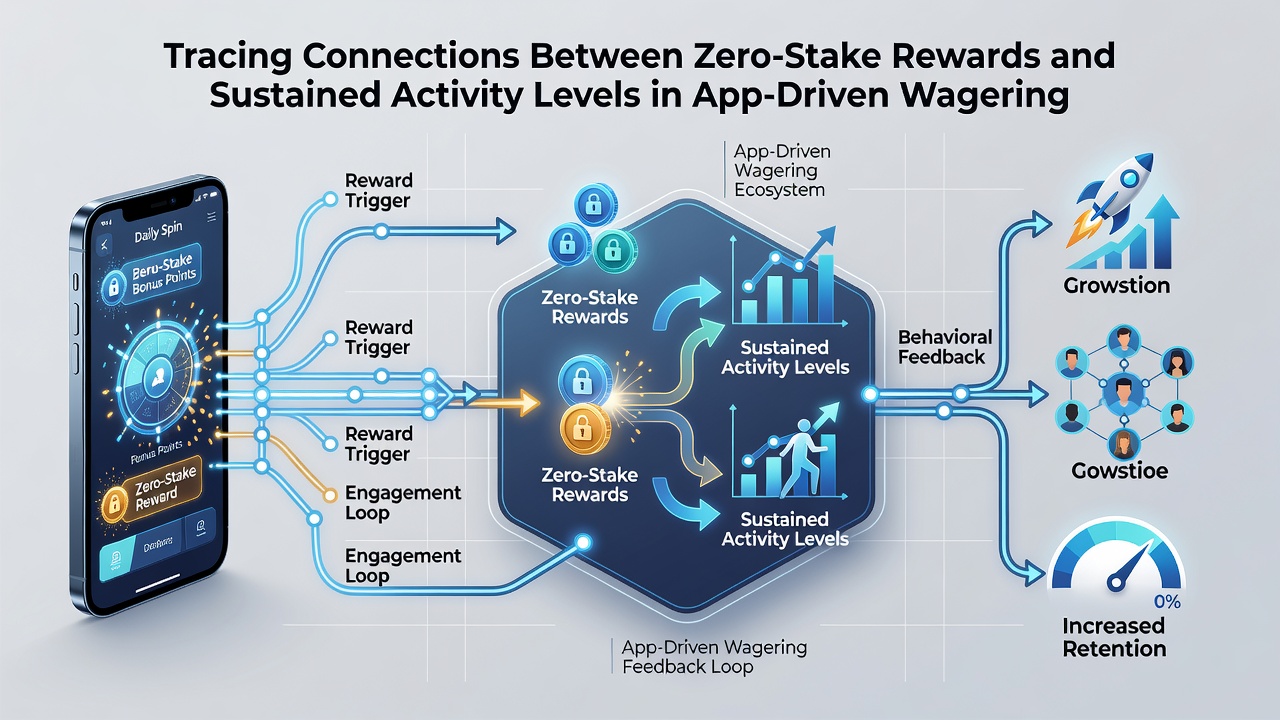
App-driven wagering environments rely on push alerts, progress bars and tiered challenges that keep players returning after each session concludes, and zero-stake rewards serve as recurring triggers within these loops. Usage statistics gathered across multiple jurisdictions demonstrate that sessions initiated by reward claims last 18 to 27 percent longer on average than standard paid entries. Observers note that cross-device continuity features allow progress to transfer seamlessly from phone to tablet, which sustains momentum even when users switch hardware mid-week. In September 2026 analysts expect fresh datasets from international monitoring bodies to clarify whether seasonal events amplify these connections further.
Evidence from Activity Tracking Studies
Longitudinal reviews conducted by teh Canadian Centre on Substance Use and Addiction track thousands of accounts and reveal steady increases in weekly active minutes once zero-stake rewards enter regular rotation. Canadian Centre on Substance Use and Addiction reports show that reward-linked accounts maintain login streaks 1.4 times longer than control groups without such incentives. Metrics include completed bets per session, time between logins and conversion to paid play after the initial free period expires. These figures emerge from aggregated telemetry rather than individual interviews, which allows researchers to isolate reward type as a variable while controlling for app version and user demographics.
Regional Data Variations Across Markets
European operators report similar patterns through aggregated submissions to the European Gaming and Betting Association, where markets with mature app ecosystems display stronger retention curves following zero-stake reward campaigns. In contrast, newer markets show quicker spikes followed by steeper drop-offs once novelty fades. One dataset released by the Nevada Gaming Control Board highlighted that mobile-only users who received zero-stake promotions recorded 22 percent more total wagers over a three-month window than comparable desktop users. These regional differences stem partly from regulatory variations in reward frequency caps and partly from differing smartphone penetration rates that influence daily engagement opportunities.
Integration with Loyalty and Notification Systems
Developers embed zero-stake rewards inside progressive loyalty frameworks that award additional free rounds after each completed milestone, and this layering creates compounding effects on activity duration. Notification timing plays a documented role because messages sent within two hours of previous session closure generate the highest re-engagement percentages. Platform telemetry indicates that users who receive both reward alerts and social comparison badges maintain higher weekly play volumes than those exposed to rewards alone. The connections appear consistent across age brackets yet vary by reward value, with higher denomination offers producing longer initial sessions but not necessarily higher long-term frequency.
Conclusion
Available platform data and independent analyses establish measurable links between zero-stake reward distribution and extended activity metrics in app-based wagering environments. These connections manifest through increased session length, repeat visits and cumulative wager counts across studied populations. Continued monitoring by bodies such as the Australian Gambling Research Centre and the Nevada Gaming Control Board will supply updated figures that refine current understandings of how these incentives operate within evolving mobile ecosystems.